
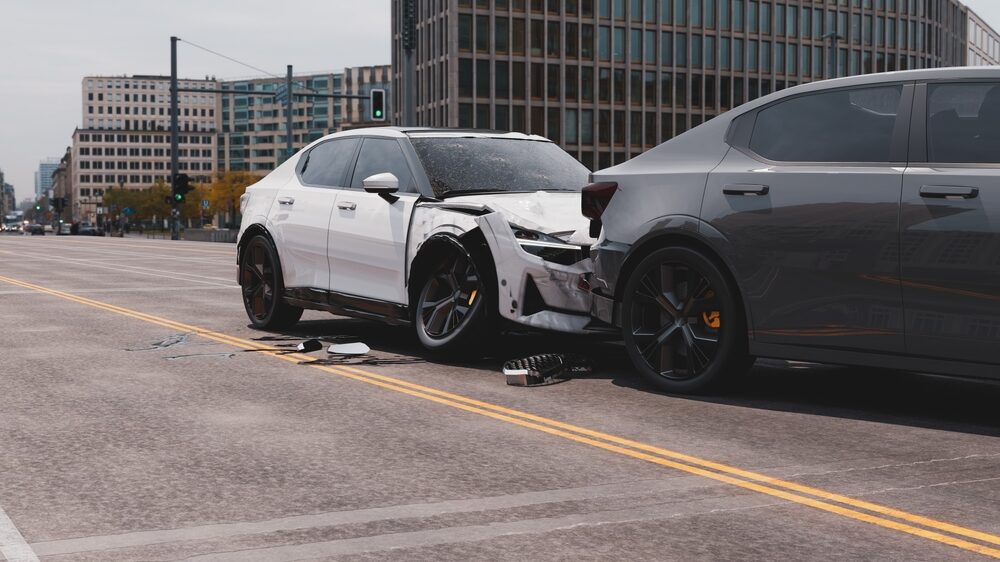
Determining liability for a rideshare accident can be challenging. If you were recently involved in a crash with a rideshare vehicle, you are probably wondering who’s responsible for your damages.
Who pays for your damages in a rideshare accident depends on who is legally responsible for causing the crash. Rideshare accident cases can be complicated.
Our rideshare accident lawyers can investigate your crash, identify who is responsible for your damages, and help hold them accountable.
Who Pays for My Damages After a Rideshare Accident?
The answer as to who is liable for your damages after a rideshare crash depends on who is legally responsible for the collision and what insurance coverage was active when it occurred. Multiple people or entities can share liability depending on how the accident happened.
Potentially responsible parties include:
- The rideshare driver: If the driver caused the crash, their personal auto insurance and/or the rideshare company’s policy may apply, depending on their status in the app at the time of the crash.
- A third–party motorist: If a third-party driver caused the collision, that driver’s liability insurance is typically the primary source of compensation.
- The rideshare company: Companies like Uber and Lyft may provide coverage through their commercial insurance policies if the driver was logged into the app and actively engaged in a trip at the moment of the crash.
- A vehicle manufacturer: If a defect such as brake failure, steering malfunction, or airbag deployment failure contributed to the crash, the manufacturer of that vehicle may be held liable under product liability laws.
- A vehicle maintenance provider: A repair shop or fleet maintenance company may be liable if negligent repairs or overlooked safety issues contributed to the accident.
- A government entity: Poorly maintained roads, missing signage, or dangerous roadway design can shift liability to a city, county, or state agency.
For a free legal consultation, call 844-767-8626
How Rideshare Insurance Works
Companies like Uber and Lyft do not rely on a single insurance policy. Instead, coverage shifts between the driver’s personal insurance and the company’s commercial policy based on what the driver was doing at the time of the crash.
Here’s how it breaks down:
- Driver offline: Only the driver’s personal auto insurance applies.
- Driver online and waiting for a request: Limited contingent liability coverage from the rideshare company may apply. This usually acts as backup coverage if the driver’s personal insurer denies the claim, and it typically comes with lower policy limits.
- Driver picking up or transporting a passenger: Full commercial rideshare coverage applies. This phase generally includes higher liability limits and may also include uninsured or underinsured motorist coverage.
How Is Fault Determined?
Insurance companies determine who is at fault for a rideshare accident by looking at how the crash happened and who acted negligently. Types of evidence commonly used to determine liability include police reports, witness statements, rideshare app data, vehicle data, photos and videos of the accident scene, and accident reconstruction analysis.
Insurance companies use this evidence to assign percentages of fault to each party. That allocation will affect which insurance policies apply and how much compensation is available to you.
Click to contact our personal injury lawyers today
What If I Was Partially At Fault?
Being partially at fault for a rideshare crash does not automatically prevent you from recovering compensation. In many states, fault can be shared between multiple parties, and your compensation is adjusted based on your percentage of responsibility.
Whether you are able to recover damages for your accident will depend on the percentage of fault you are assigned by insurers and your state’s comparative negligence laws.
What If I Was a Passenger in the Rideshare Vehicle?
Passengers are generally in the strongest position after a rideshare crash because they are rarely considered at fault. If your Lyft or Uber gets into an accident, you may be able to pursue damages for the rideshare accident through that rideshare company’s commercial insurance policy.
The company’s insurance may cover a variety of damages, including medical bills, lost income, and pain and suffering.
What Types of Damages Can You Recover?
If you are injured in a rideshare accident, you may be entitled to recover compensation for both economic and non-economic losses, such as:
- Medical expenses: You can recover the cost of emergency care, hospital stays, surgery, physical therapy, prescription medication, and future medical treatment related to the crash.
- Lost income: You can recover wages you missed out on while recovering, as well as reduced earning capacity if your injuries affect your ability to work in the future.
- Property damage: You can recover the cost to repair or replace your vehicle and any other personal property damaged in the accident.
- Pain and suffering: You can recover compensation for physical pain, emotional distress, anxiety, and other types of psychological trauma caused by the crash.
- Loss of enjoyment of life: You can recover damages for the ways the accident limits your ability to participate in normal daily activities, hobbies, or routines.
- Permanent disability or impairment: You can recover compensation for long-term or permanent injuries that affect your mobility, independence, or quality of life.
- Punitive damages: If the at-fault party’s conduct was especially reckless or intentionally harmful, you may be awarded punitive damages.
Contact a Rideshare Accident Lawyer
Insurance companies do everything they can to minimize payouts to accident victims. If you were involved in a rideshare crash, a dedicated rideshare accident attorney from Postman Law can gather evidence to prove who’s liable and help you recover compensation for your losses.
Book a free case review to discuss your accident with an attorney.